Trusted by 195+ Homeowners
HVAC Leak Water Removal in San Mateo, NM
- Over 199 5-Star Reviews
- Free Estimates and Quotes
- 100% Satisfaction Guaranteed
- Child, Family & Pet Safe Steps
- 24-Hour Emergency Service
- Fully Licensed & Insured
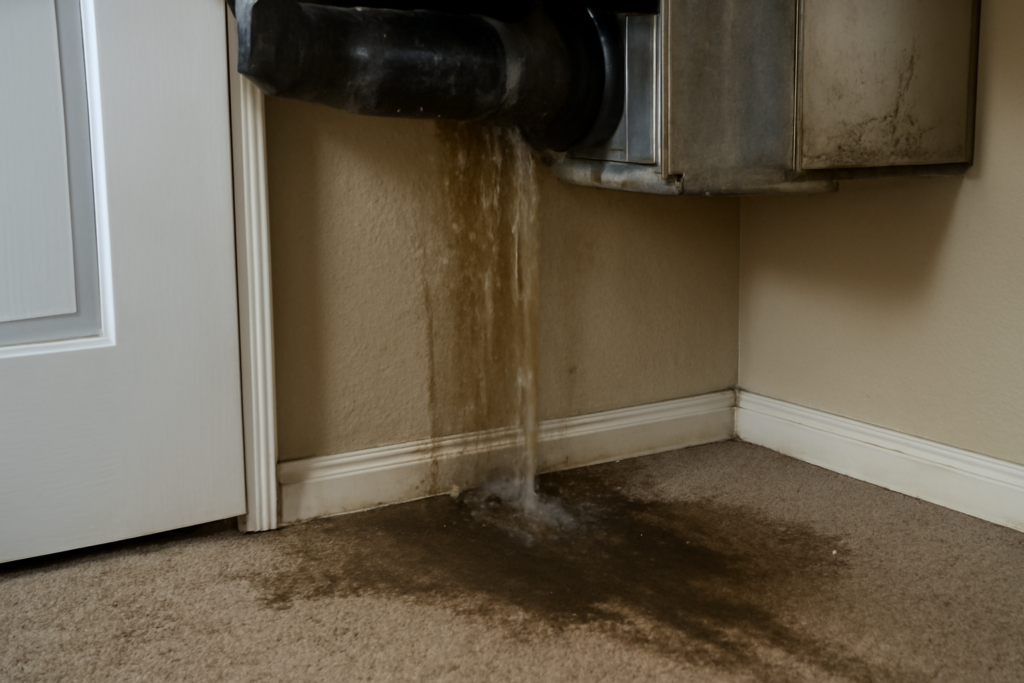
HVAC Leak Water Removal in San Mateo, NM: What You See, Hear, and Smell Matters
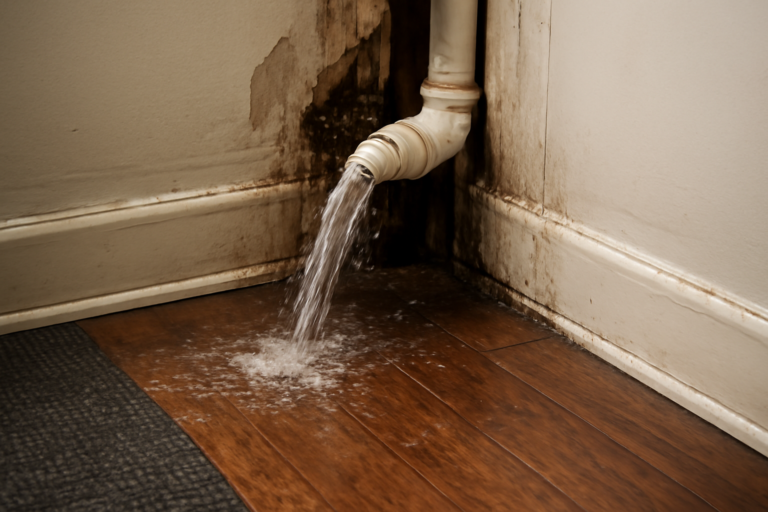
Water pooling around your air conditioning unit, a musty smell wafting through your vents, or the sound of dripping water behind your walls – these are the warning signs that demand immediate attention. You’ve discovered an HVAC leak, and the clock is ticking. We’ll help you understand what’s happening and why prompt action is crucial to preventing further damage. Don’t wait – our team of seasoned technicians is ready to respond quickly and effectively to reduce losses.
With over 165+ five-star reviews, you can trust our team to deliver exceptional results for your HVAC leak water removal needs. Homeowners in the area have come to rely on our expertise, and we’re committed to providing the same level of service to you. We’ll work tirelessly to restore your property to its original condition, using the most advanced equipment and proven techniques to ensure a safe and efficient process.
- Expert technicians on standby to address your emergency 24/7.
- Fast response times to reduce water damage and prevent secondary issues.
- Advanced equipment and proven techniques for effective water removal and drying.
The Science Behind HVAC Leak Water Removal: What You Need to Know
When an HVAC leak occurs, water can travel far and wide, seeping into walls, ceilings, and floors, causing extensive damage. To mitigate this, our team employs a systematic approach that involves assessing the situation, containing the affected area, and using specialized equipment to extract the water and dry the space. We take precision and patience to ensure the job is done correctly, using instruments like moisture meters to measure the level of saturation and drying protocols to prevent re-growth of mold and mildew.
Step 1: Assessment and Containment
Upon arrival, our technicians will conduct a thorough assessment of the damage, identifying the source of the leak and the extent of the water intrusion. We’ll then set up containment barriers to prevent further water damage and protect your belongings. This critical step ensures that the water removal process is both safe and efficient.
Step 2: Water Extraction
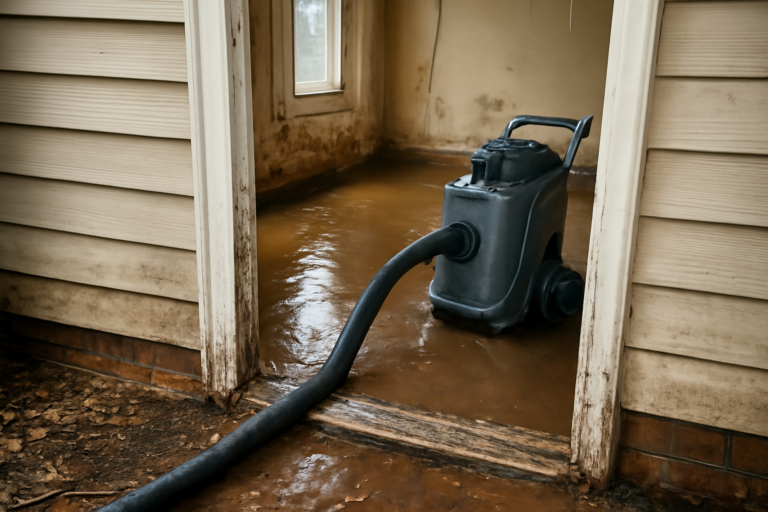
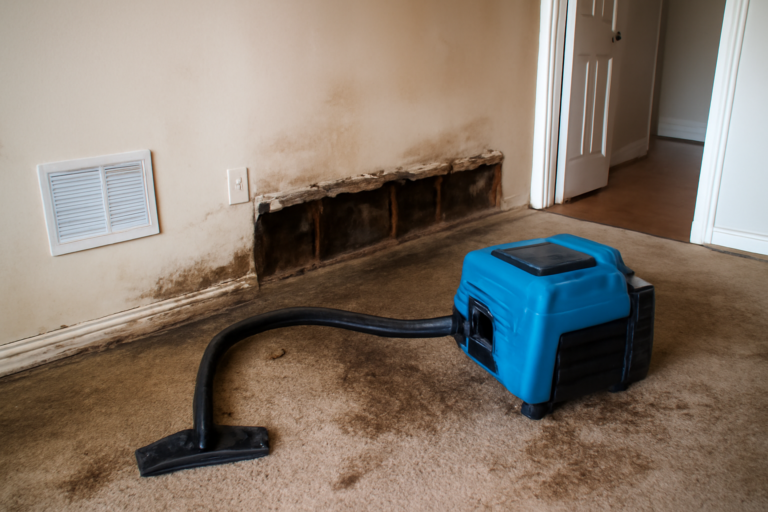
Using state-of-the-art pumps and vacuums, our team will extract as much water as possible from the affected area. This may involve removing wet carpets, flooring, or drywall to prevent further damage and promote drying. Our equipment is designed to handle the toughest water removal jobs, reducing downtime and disruption to your daily routine.
Step 3: Drying and Dehumidification
With the water extracted, our focus shifts to drying and dehumidification. We’ll use specialized equipment to remove excess moisture from the air, reducing the risk of mold and mildew growth. This critical step ensures that your property is restored to a safe and healthy condition.
Step 4: Restoration and Rebuilding
Once the area is dry, our team will work with you to restore and rebuild your property to its original condition. This may involve repairs to walls, ceilings, and floors, as well as replacement of damaged materials. We’ll ensure that your property is safe, secure, and ready for occupancy.
Don’t delay – contact us today to schedule your emergency response. Our team is ready to help you navigate this challenging situation and restore your property to its former glory.
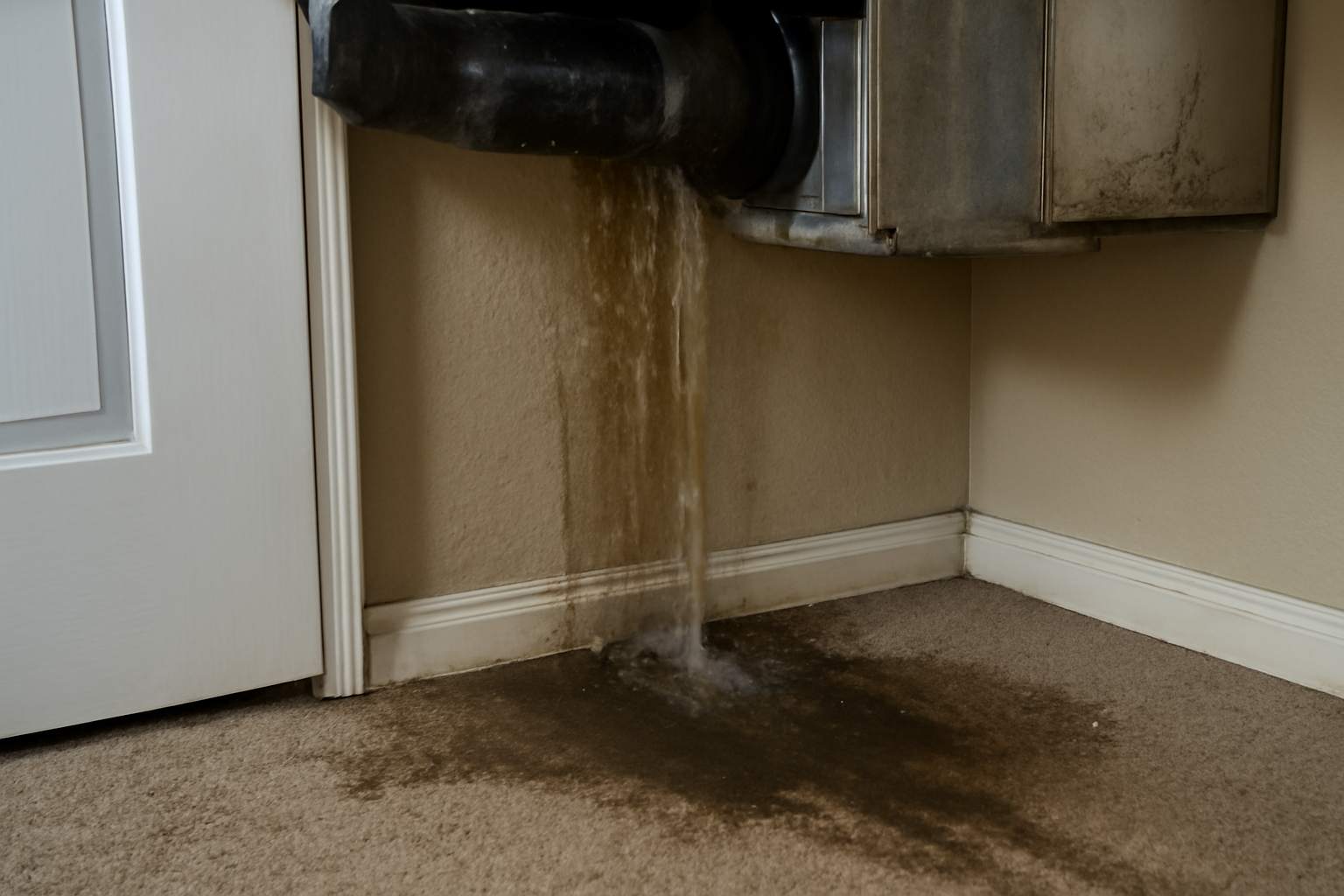
Warning Signs You Need HVAC Leak Water Removal
Ignoring the warning signs of an HVAC leak can lead to costly repairs, health hazards, and even structural damage. Be on the lookout for these common indicators:
Musty Odors That Won’t Go Away
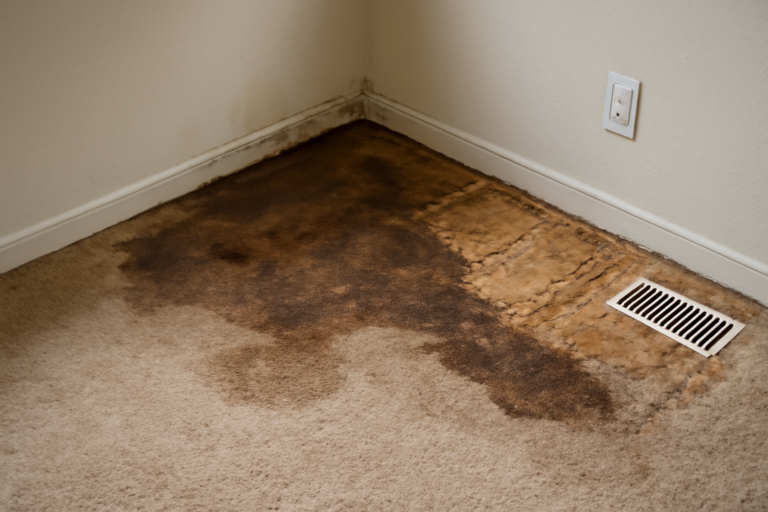
A persistent musty smell can be a sign of moisture buildup in your HVAC system. If you notice this odor, it’s essential to investigate and address the issue quickly to prevent mold and mildew growth.
Water Stains on Ceilings and Walls
Water stains can be a sign of a larger problem, such as a leak in your HVAC system or a compromised roof. Don’t ignore these stains – they can lead to costly repairs and even safety hazards.
Unusual Noises or Vibrations
Unusual noises or vibrations from your HVAC system can show a problem with the unit or a leak in the system. If you notice these symptoms, contact us immediately to schedule a repair.
Mold and Mildew Growth
Mold and mildew growth can be a sign of excessive moisture in your HVAC system. If you notice these growths, it’s essential to address the issue quickly to prevent health hazards and further damage.
Water Pooling Around the Unit
Water pooling around your HVAC unit can be a sign of a leak or a clogged condensate drain. Don’t ignore this issue – it can lead to costly repairs and even safety hazards.
Increased Energy Bills
Increased energy bills can be a sign of a problem with your HVAC system, such as a leak or a malfunctioning part. Contact us to schedule a repair and reduce your energy costs.
HVAC Leak Water Removal vs. DIY: When To Call a Professional
| Situation | DIY? | Call a Pro? | Why |
|---|---|---|---|
| Small water leak in a contained area | Yes | No | DIY methods can be effective for small leaks, but always follow safety precautions. |
| Large water leak in a confined space | No | Yes | A large leak needs specialized equipment and expertise to prevent further damage and safety hazards. |
| Water damage with mold and mildew growth | No | Yes | Mold and mildew need professional removal to prevent health hazards and further damage. |
| HVAC system malfunction | No | Yes | A malfunctioning HVAC system needs professional diagnosis and repair to prevent further damage and safety hazards. |
| Water pooling around the unit during heavy rainfall | No | Yes | A persistent water leak needs professional investigation and repair to prevent further damage and safety hazards. |
Don’t take chances with DIY methods when faced with a water leak or other safety hazards. Our team of experts is ready to help you navigate this challenging situation and restore your property to its former glory.
HVAC Leak Water Removal Cost In San Mateo, NM
The cost of HVAC leak water removal can vary depending on the severity of the leak, the size of the affected area, and local conditions in San Mateo, NM. Our team will provide a free estimate to help you understand the costs involved. Don’t wait – contact us today to schedule your emergency response and get back to normal as quickly as possible.
| Service | Typical Price Range | What Affects Cost |
|---|---|---|
| Water extraction and drying | $500 – $2,500 | Size of affected area, type of flooring, and equipment used |
| Containment and barrier setup | $200 – $1,000 | Size of affected area, type of materials, and labor required |
| Mold and mildew removal | $300 – $1,500 | Severity of mold and mildew growth, size of affected area, and equipment used |
| HVAC system repair or replacement | $500 – $5,000 | Type of repair or replacement, size of system, and labor required |
| Dehumidification and drying | $200 – $1,000 | Size of affected area, type of equipment used, and labor required |
| Restoration and rebuilding | $1,000 – $10,000 | Size of affected area, type of materials, and labor required |
Exact pricing will depend on an on-site assessment, and we offer free estimates to help you understand the costs involved. Don’t wait – contact us today to schedule your emergency response and get back to normal as quickly as possible.
Service Areas Near San Mateo, NM
We serve the following nearby communities: Albuquerque, Rio Rancho, Bernalillo, Placitas, Corrales, Los Lunas, Belen, Socorro, Grants, Gallup, Silver City, Deming, Las Cruces, Santa Fe, Taos, Ruidoso, Alamogordo, Deming, Las Vegas.
Common Questions About HVAC Leak Water Removal
Q: What causes an HVAC leak?
A: An HVAC leak can be caused by a variety of factors, including a malfunctioning condensate drain, a clogged air filter, or a cracked heat exchanger. Our team will work with you to find out the root cause of the leak and develop a plan to address it.
Q: Can I try to fix the leak myself?
A: While it’s tempting to try to fix the leak yourself, it’s often best to leave it to the professionals. Our team has the training, equipment, and expertise to ensure that the job is done correctly and safely. Also, trying to fix the leak yourself can lead to further damage and safety hazards.
Q: How long does the water removal process take?
A: The length of time required for the water removal process will depend on the severity of the leak, the size of the affected area, and the equipment used. Our team will work with you to develop a plan that meets your needs and ensures that your property is restored to its original condition as quickly as possible.
Q: Do you offer any warranties or guarantees?
A: Yes, we offer a satisfaction guarantee and a warranty on our work. We stand behind our team’s expertise and the quality of our services, and we’re committed to ensuring that you’re completely satisfied with the results.
Check Our Other Relevant Services

Morton Brown is a licensed property recovery specialist with more than 20 years of experience in the disaster restoration industry. As a seasoned expert, Morton has built a reputation for technical excellence and integrity, helping thousands of property owners navigate the complexities of structural recovery while maintaining the highest safety and compliance standards.
𝗖𝗲𝗿𝘁𝗶𝗳𝗶𝗰𝗮𝘁𝗶𝗼𝗻𝘀: Morton is extensively credentialed through the IICRC, holding specialized certifications in Water Damage Restoration (WRT), Mold Remediation (AMRT), Applied Structural Drying (ASD), Odor Control (OCT), and Fire and Smoke Restoration (FSRT).
𝗙𝗮𝘃𝗼𝗿𝗶𝘁𝗲 𝗣𝗮𝘀𝘁𝗶𝗺𝗲: An avid fly-fisherman and woodworking enthusiast, Morton enjoys spending his weekends on the river or in his shop crafting custom furniture for his family.
𝗕𝗲𝘀𝘁 𝗣𝗮𝗿𝘁 𝗼𝗳 𝘁𝗵𝗲 𝗝𝗼𝗯: Morton finds the most reward in providing structural peace of mind. He takes pride in being a calming guide for families during crises, transforming damaged properties back into safe, comfortable homes.